




Written by Rissa Hanneken, former 3rd-5th grade teacher, instructional coach, and new teacher mentor with 19 years of experience in Florida classrooms, and the creator of Teaching in the Heart of Florida. Rissa creates print and go reading, math, and emergency sub plan resources for upper elementary teachers, built on real classroom experience. Her resources are purposeful, manageable, and ready when you need them most.
Knowing how to prepare for a substitute teacher is one of those things that feels straightforward until you are actually sitting down to do it.
If your school is anything like mine, you are required to have at least three days’ worth of sub plans ready at all times. I followed that rule every year. But pulling it all together at the start of the school year was its own kind of miserable. Hunting down activities that were the right level, making sure every subject was covered, writing out directions a stranger could follow without calling you. It took hours I did not have during the chaos of back to school season.
The years I threw something together too quickly? My sub would leave a note about behavior, and I already knew why. When students do not have clear, structured work in front of them, they find something else to do. It is rarely something you want to come back to.
Here is what actually works.
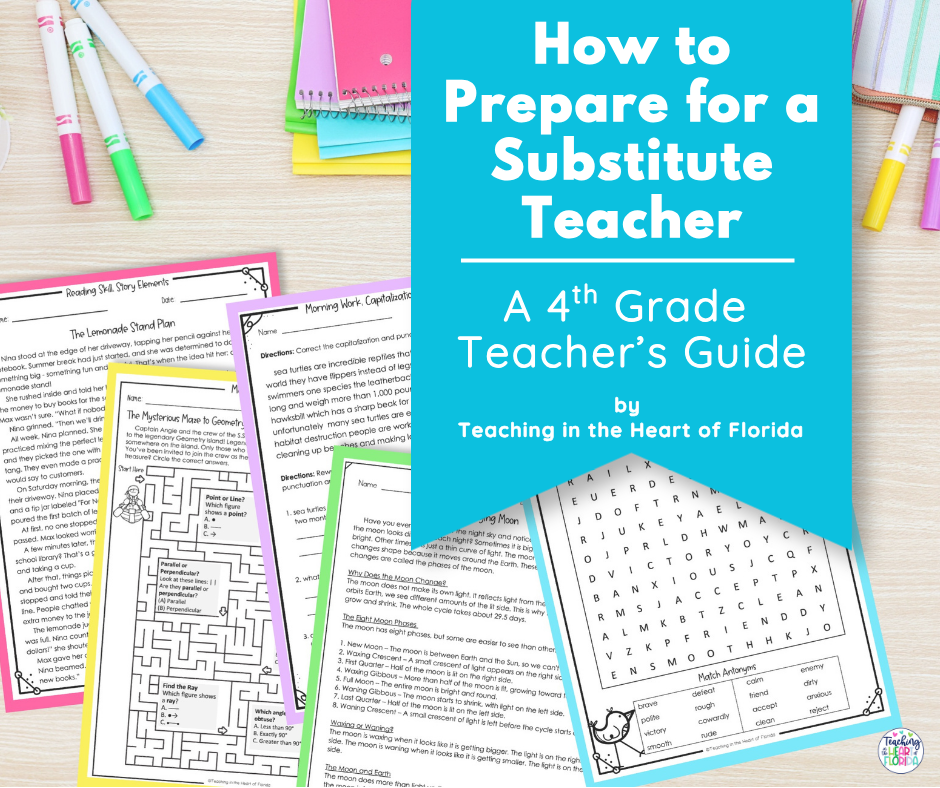
Table of Contents
Start with your teacher admin forms
The first step in how to prepare for a substitute teacher has nothing to do with lesson activities. It starts with getting your classroom information organized. This is the part most teachers skip, and it is the part that determines whether your sub can actually run your classroom.
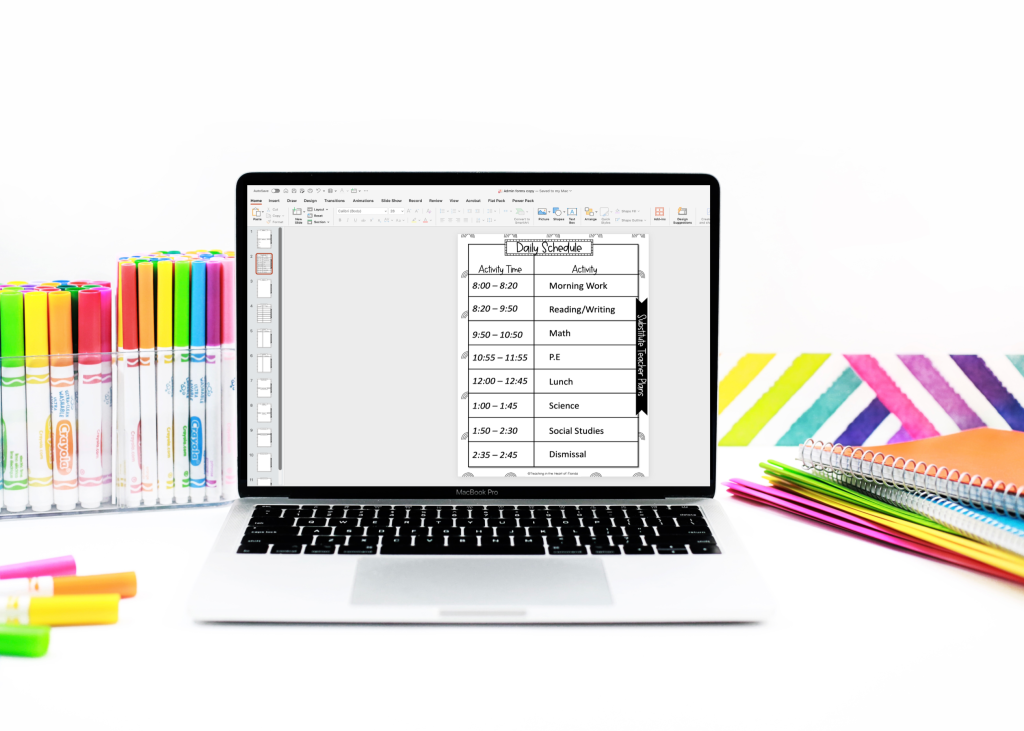
Your sub folder should include:
- Your daily schedule, written out by time
- A seating chart
- A list of pullouts: which students leave, what time, and where they go
- Your classroom rules and procedures
- A note about anything your sub needs to know, including which students need extra support and who to go to if there is a problem
A note on anything your sub needs to know, including which students need extra support and who to contact if there is a problem. If you have students with IEPs or behavior plans, Edutopia has a helpful breakdown of how to prepare your substitute for diverse learners that is worth reading before you put your folder together.
A substitute who walks into your room with all of that information can manage your class without texting you seventeen times. A substitute without it is starting from scratch, and your students will figure that out quickly.
How to Prepare for a Substitute Teacher: What Your Lesson Activities Need
This is the part that trips most teachers up, because putting together sub-ready activities is genuinely harder than it sounds.
The activities need clear directions a sub can read and follow without a mini-lesson. They need to be the right level for 4th grade so students are not blowing through them in ten minutes. They need to cover your core subjects. Ideally, you have more than one day covered, because you do not always know how long you will be out.
When I was in the classroom, the standard was three days. I eventually built toward five, because five days meant I was covered for a full week and I never had to think about it again until the following school year.
Good sub activities share a few things in common. The directions are printed right on the page so the sub is not explaining anything. Each activity is labeled with the subject and skill so your sub knows exactly what students are working on. Students can work independently or with a partner without needing you there to manage it.
That last piece matters more than teachers realize. When activities are clear and appropriately leveled, students stay on task. When they are not, your sub spends the day managing behavior instead of facilitating learning. You will know which one happened the moment you read the sub note.
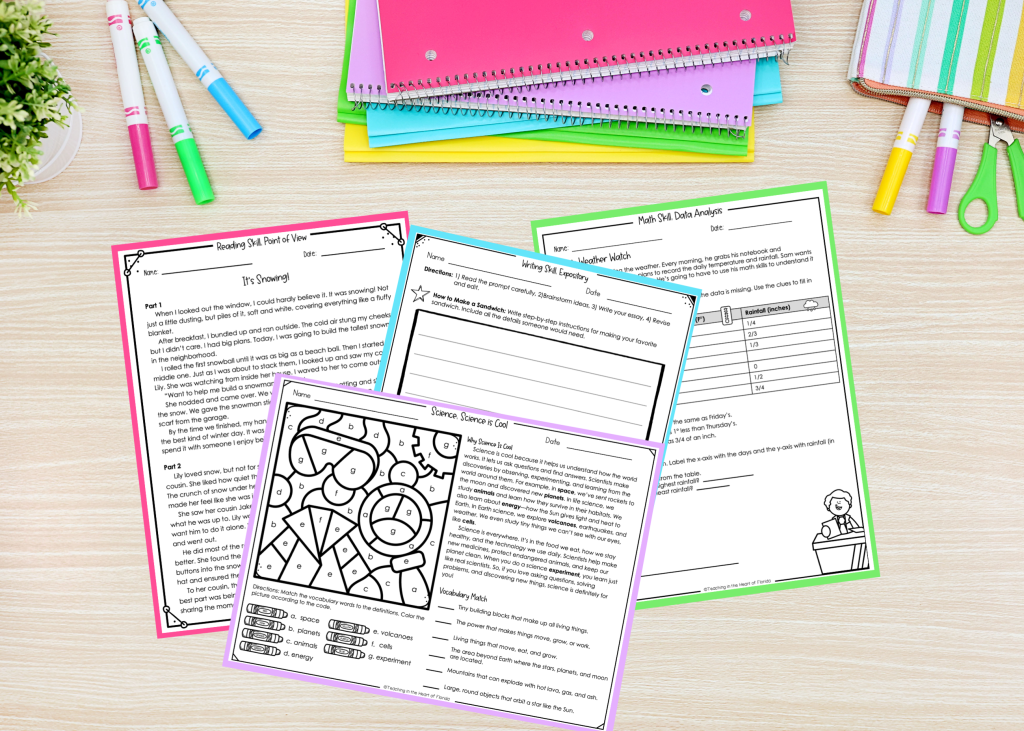
What is included in the 4th grade sub plans packet
Once you know how to prepare for a substitute teacher, the next question is how to make it sustainable year after year. That is exactly why I built this packet. I wanted everything in one place: the admin forms and the lesson activities, all organized so I could print once and be done.
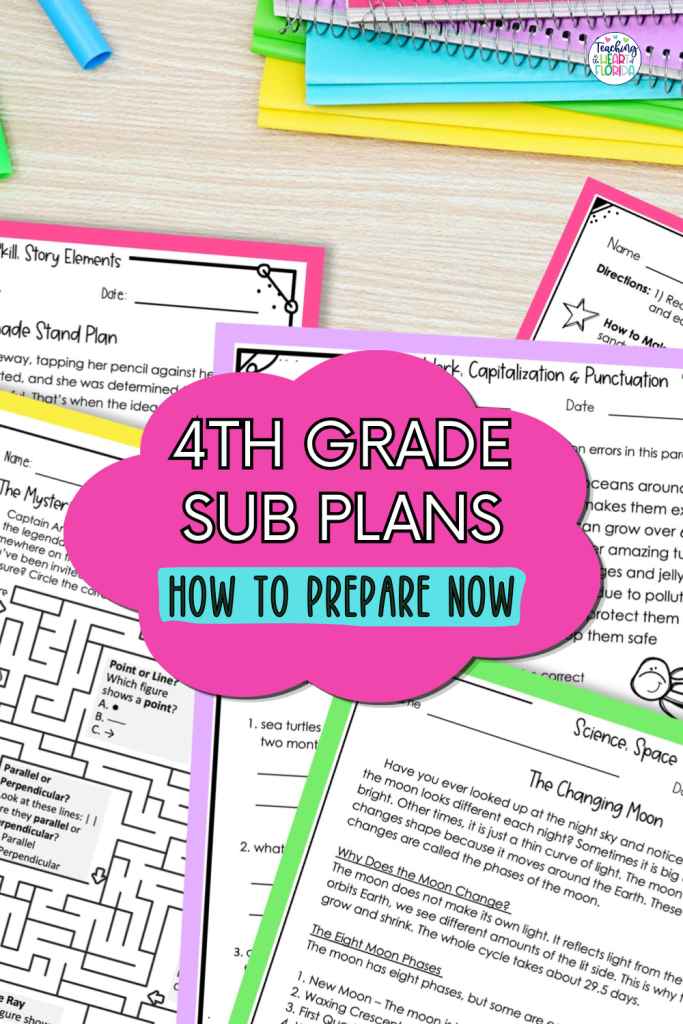
Here is what is inside:
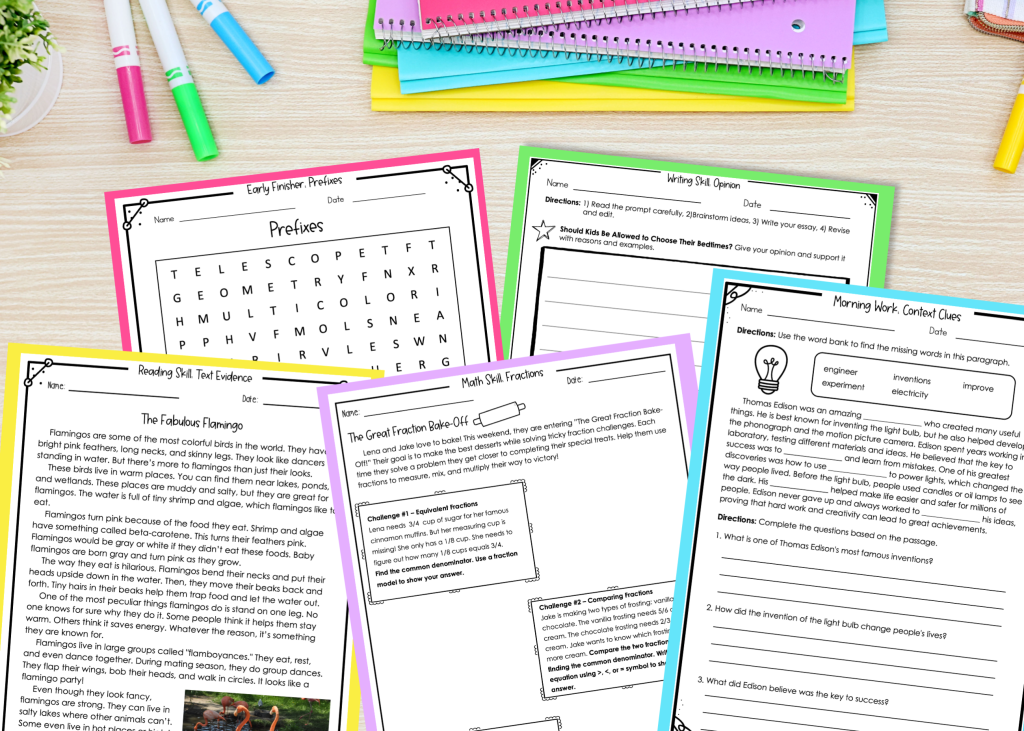
Morning work. Skill-based review covering capitalization, punctuation, context clues, figurative language, and vocabulary. These help students settle into the day while your sub gets situated.
Reading. Passages with comprehension questions and graphic organizers covering main idea, theme, point of view, story elements, and text evidence. Directions are printed on each page so no mini-lesson is needed.
Writing. Prompts for narrative, opinion, persuasive, descriptive, and expository writing. Students respond directly on the page or in their journals, and each prompt is open-ended enough to keep things interesting without being hard for a sub to manage.
Math. Practice activities covering fractions, multiplication, division, geometry, and data analysis. Having multiple skills covered means you can pull the right activity depending on where your class is in the year.
Science. Passages and activities on ecosystems, animals, the water cycle, space, and more. These work well for quiet independent work or partner time.
Social Studies. Topics include U.S. history, geography, economics, communities, and government. Short enough for students to complete in one sitting, structured enough to keep them on task.
Fast finisher activities. Word searches on adjectives, prefixes, suffixes, antonyms, and synonyms. These keep early finishers occupied without derailing the rest of the room.
Editable teacher forms. Fill in your schedule, class routines, and student needs once, update as needed throughout the year, and drop them in your sub folder alongside the activities.
The whole packet covers five full days across every core subject. You print it, drop it in your sub folder, and you are done. Grab the 4th grade sub plans packet here and get your folder set up before the school year starts.
Frequently Asked Questions About How to Prepare for a Substitute Teacher
How far in advance should I prepare for a substitute teacher?
Before the school year starts is ideal for everyone. Many districts require some sub plans on file before the first day of school, so having everything ready early means you are already meeting that expectation. If your school does not have that requirement, the answer is still as early as possible. You do not know when you will need to call out, and putting your sub folder together in September is a whole lot easier than doing it at 5 a.m. in January.
What if I have to prep my sub plans at the last minute?
It happens. Start with your teacher admin forms first. Your sub can manage a classroom with basic activities if she knows your schedule, your routines, and which students need extra support. For lesson activities, every activity in this packet is labeled by subject and skill, so you can flip to what you need and grab it in minutes.
Can I use these plans for a half day or just one subject?
Yes. Each subject is organized separately and labeled, so you can pull out just the reading activities for a half day or grab the math section for a coverage period. You do not have to use everything at once.
If you are ready to check “how to prepare for a substitute teacher” off your list for good, grab the 4th grade sub plans packet and get your folder set up before you ever need it. Everything is printed, labeled, and organized so you can spend your back to school prep time on something else.
More Posts for You
3rd Grade Sub Plans: A Done-for-You Resource
If you teach 3rd grade or have a teammate who does, this post walks through a ready-to-use sub plans packet that covers five full days across every core subject. Same organized setup, same labeled activities, built specifically for 3rd grade.
5 Quick Back to School Prep Tips to Save Time Later
Five experienced teachers share their best tips for setting yourself up for a smoother school year before summer even starts. From prepping your sub folder to organizing your classroom, these are the tasks that are so much easier to do in May than in August.