




By Rissa Hanneken, Updated January 29, 2024
Let’s talk about some great close reading tips for the upper elementary classroom, where juggling these strategies often feels like a balancing act. We all know how important these techniques are for our students, but it’s not always easy to fit them into our lessons, especially with students at so many different reading levels. I’m excited to share some effective close reading tips with you. These strategies have really helped make close reading more understandable and fun for my students.

Close Reading Tips: The Art of Annotation
Annotation is more than just a fancy word for taking notes; it’s at the heart of what close reading is all about. We want our students to engage with the text in an active way. Encouraging them to do more than passively read a text – to actually demand more from it – hopefully leads to active readers who comprehend what the author wants them to know.
Here’s how we can guide our students in annotating the text:
- Start Simple: Introduce annotation with clear, straightforward examples. Show them how it’s more than just underlining – it’s about engaging with the text.
- Symbols and Colors: Encourage students to develop their own system of symbols and colors. This personal touch can transform a mundane task into a creative process. This is where you can bring in some fun. Colorful markers and post-it notes can turn this into a highly engaging activity!
- Practice Makes Perfect: Incorporate annotation exercises regularly. Begin with shorter texts to build confidence, then gradually introduce longer pieces.
- Personalize the Process: Every student is unique, so let their annotation style reflect that. This individual approach can make reading a more personal and enjoyable experience.
Be prepared for this to be messy at first. I gave my students all the pretty markers, and they basically turned the passage into an art project! They highlighted all the things!

Close Reading Tips: The Power of Text-Dependent Questions
Text-dependent questions are like treasure maps; they lead students to dig deeper into the text to find the hidden gems of understanding. They should go beyond recalling information.
- Variety is Key: Mix up your questions. Some should be straightforward, while others should encourage students to think critically and infer.
- Evidence is Everything: Teach students the importance of backing up their answers with evidence from the text. It’s like being a detective, where every claim needs proof. (Check out the Citing Text Evidence Freebie below)
- Bring it to Life: Use these questions in class discussions. It’s amazing how a lively debate can turn a text into a living, breathing entity in your classroom. It’s the perfect time to bring accountable talk into your reading lessons. It keeps the debate focused on the text.

Grab This FREE Reading Resource!

Close Reading Tips – Modeling: Show, Don’t Just Tell
When it comes to close reading strategies, showing your students how it’s done can be a lightbulb moment. It’s like giving them a guided tour through a text. Don’t be surprised if you have to model throughout the school year. Each student will come to close reading in their own time, and some will need to be shown the strategies multiple times.
- Think Out Loud: As you read, share your thought process. Why did this word catch your attention? What does this phrase tell us about the character?
- Diverse Texts for Diverse Minds: Use a variety of texts to model close reading. It shows students that these skills apply to everything from poems to science articles.
- Step-by-Step Guidance: Start by leading the way, then gradually hand over the reins to your students. It’s empowering for them to take charge of their own reading journey.

If teaching close reading feels overwhelming to you, just focus on these three close reading strategies. You will get more comfortable the more you do it. Your students will also get more comfortable the more they do it. What does this mean? You need to include close reading in your lesson plans on a consistent basis.
Want to know more about close reading strategies?
- How You Can Support Students with Close Reading
- Close Reading Questions: An Effective Tool for Student Engagement
Reading Resources You Can Use For Close Reading
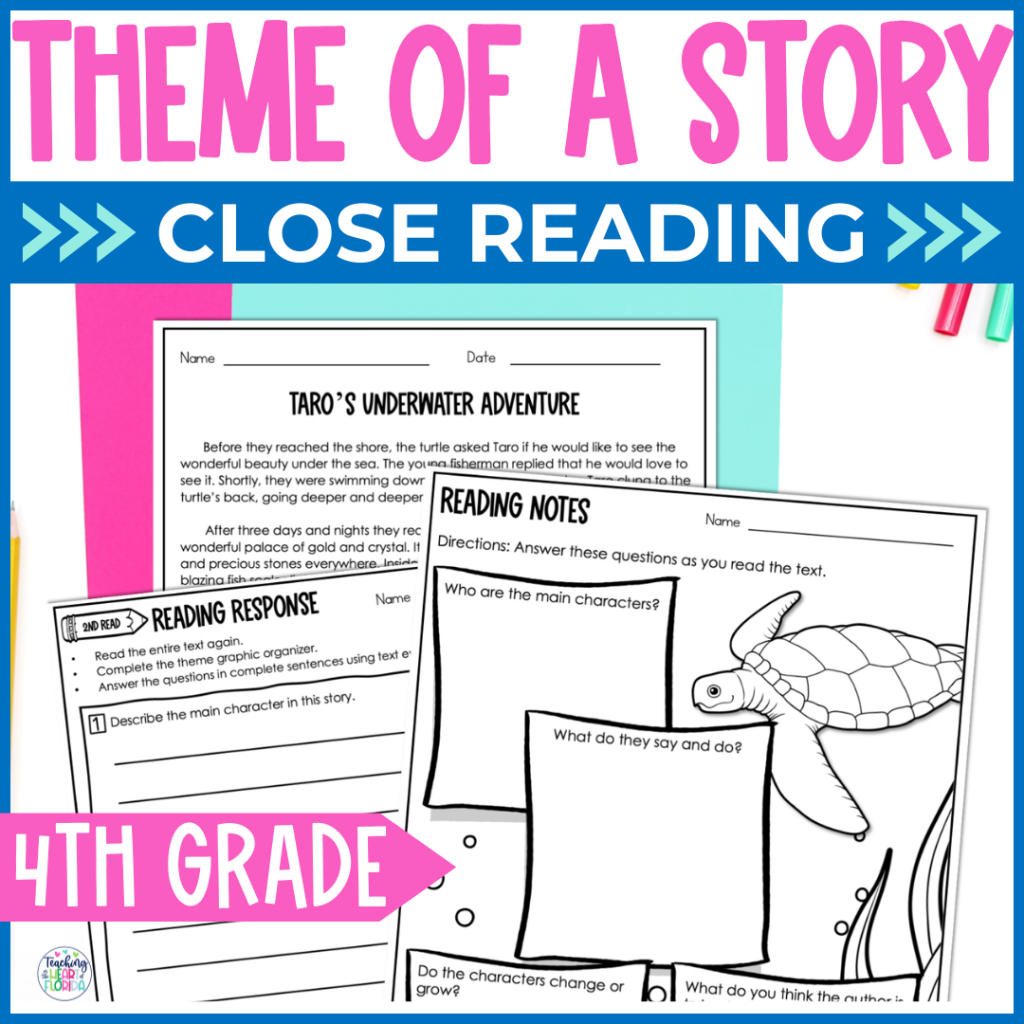
This 4th-grade NO PREP reading comprehension packet will help students learn how to find the theme and summarize it. They will love reading this engaging story using close reading strategies for 1st and 2nd readings, a graphic organizer, and reading comprehension questions to show mastery. This print-and-go packet is full of activities for a 2-3 day lesson and will make teaching theme so quick and easy!
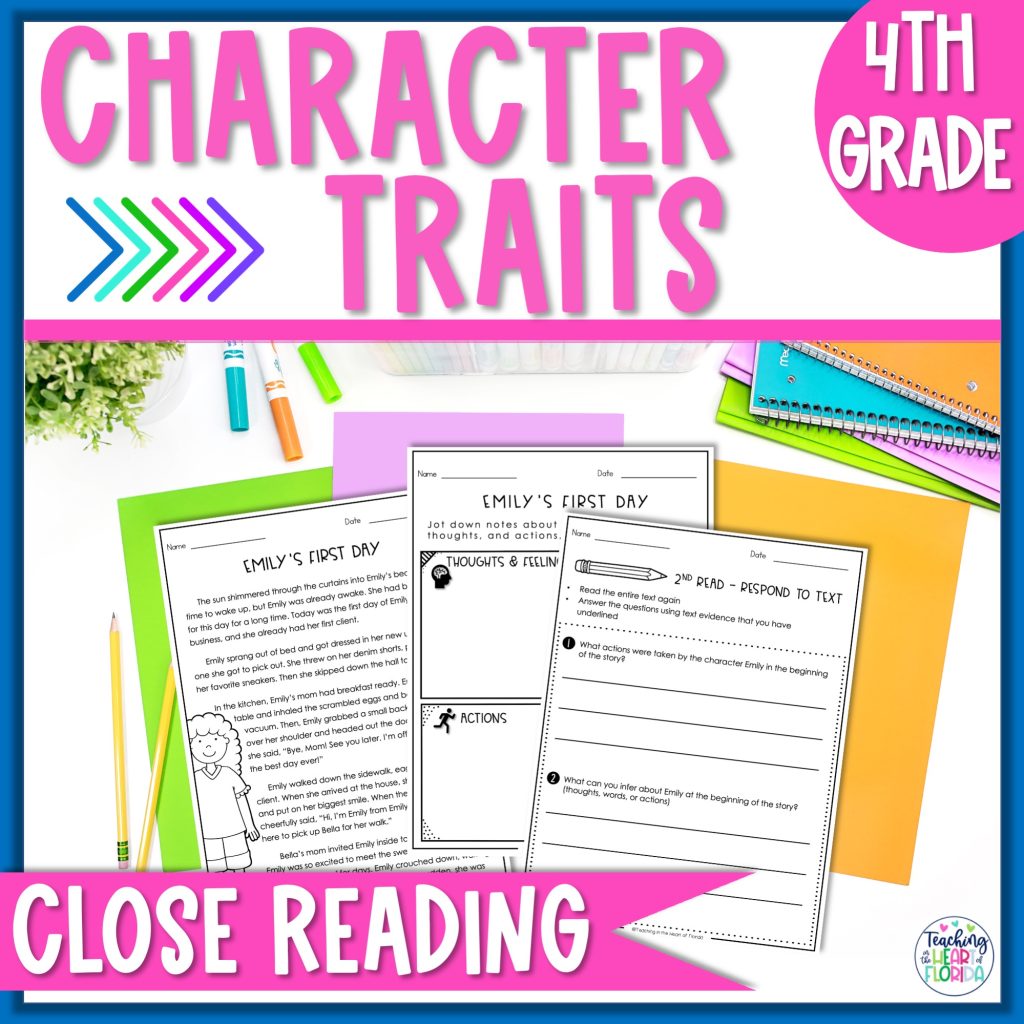
Engage your 4th graders with this character traits reading passage that helps them learn how a character’s traits, actions, and feelings help to resolve the problem in a story. Students will practice this character traits standard by using 1st and 2nd reading strategies to answer comprehension questions, learn new vocabulary, and understand the character’s traits with an engaging passage, graphic organizers, and anchor charts!
The most valuable resource that all teachers have is each other. Without collaboration our growth is limited to our own perspectives.
Robert John Meehan


Interested in signing up for my email?
Just Click!
• Get valuable resources and teaching tips delivered straight to your inbox
• Exclusive deals and discounts only available to email list subscribers
• Be the first to know about new products and launches
• Share your ideas and feedback with me directly, I love hearing from my readers!

Interested in signing up for my email list?
It’s Easy!
• Get valuable resources and teaching tips delivered straight to your inbox
• Exclusive deals and discounts only available to email list subscribers
• be the first to know about new products and launches
• Share your ideas and feedback with me directly, I love hearing from my readers!