





Written by Rissa Hanneken, former 3rd-5th grade teacher, instructional coach, and new teacher mentor with 19 years of experience in Florida classrooms, and the creator of Teaching in the Heart of Florida. Rissa creates print-and-go reading, math, and emergency sub-plan resources for upper elementary teachers, built on real classroom experience. Her resources are purposeful, manageable, and ready when you need them most.
If you’re looking for activities for teaching theme that go beyond a worksheet and a blank line, you’re in the right place.
Students are able to read a story and then recount exactly what happened: for instance, one thing took place, then another, and it all ended this way. But when you ask them what the story is really about or what the lesson is beneath all those events, they just stare at you. All of a sudden, no one has an answer, or everyone gives the same general one.
I have seen this situation occur in whole-group instruction, guided reading groups, and, most particularly, intervention lessons. There would be a table full of students who understood the plot yet still couldn’t tell me the theme even with a great deal of assistance. It wasn’t until later that I realized it was not the passages themselves that were at fault. The difference between reading a story and understanding its meaning is a skill that students need to practice.
So here are a few activities for teaching theme that close that gap, not just activities that ask kids to guess and hope.
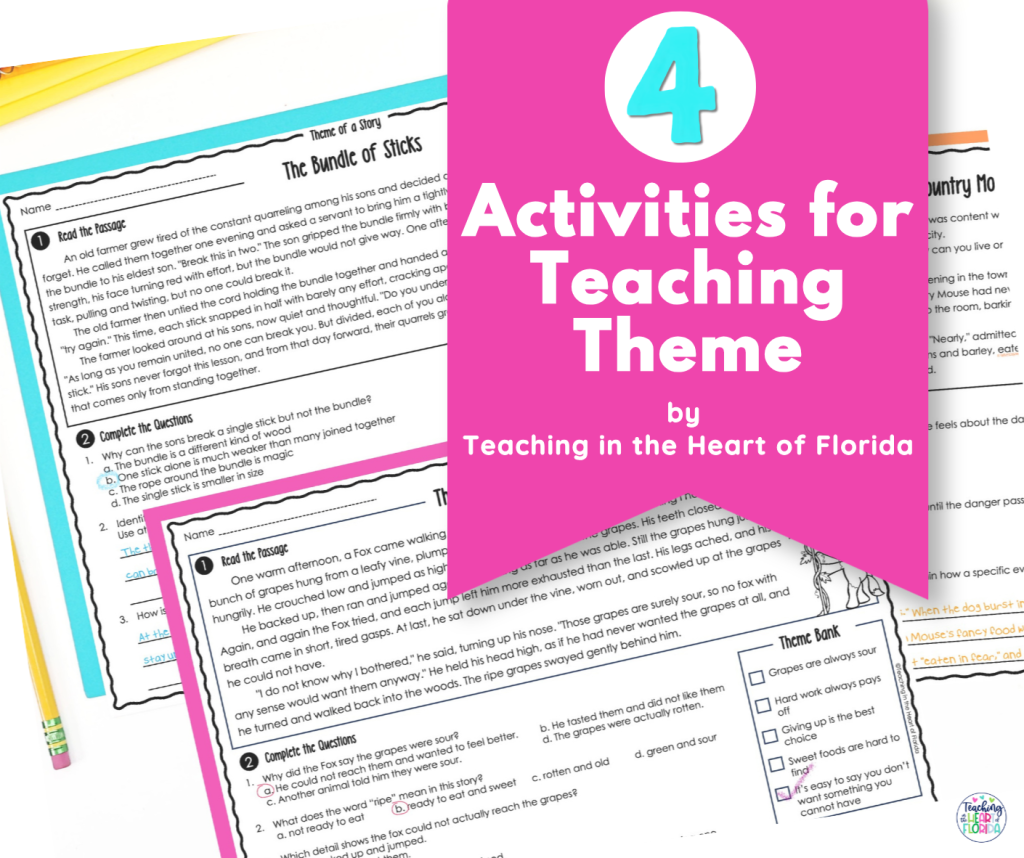
Table of Contents
Why Is Finding the Theme So Hard for Students?
Here’s the thing about theme. Plot is right there on the page. A character wants something, something gets in the way, it works out (or doesn’t) by the end. Theme is never spelled out like that. Kids have to step back from all those events and figure out the point of the whole thing, and there’s not a single sentence that says, “and the theme is…”
Edutopia points out that theme is genuinely slippery for students, and that the real challenge for teachers is finding a way to teach it without either handing kids the answer or leaving them completely on their own. That’s exactly the gap the activities below are built to close.
Most theme worksheets skip straight to the hardest part. Read the story, now tell me the theme. No in-between step, no support, just a blank line and a lot of pressure. So kids guess. Or they land on something so broad it could apply to literally any story ever written. Or they just shut down and leave it blank.
What helps isn’t an easier story. It’s something that walks kids from “here’s what happened” to “here’s what it means,” and then slowly takes that support away so they can do it on their own.
The activities for teaching theme below give students that missing in-between step.
Activities for Teaching Theme
1. Read a Story, Then Talk It Out
Start simple. Read a short story or fable aloud, then ask the class not “what’s the theme,” but “what is this character learning?” Naming the character’s lesson first is a much easier entry point than jumping straight to an abstract theme statement, and it gives kids a foothold before you push toward the bigger idea.
These are a few of my favorite books to use when talking about theme with my students, along with some questions that help them focus on the lesson or theme of the story:
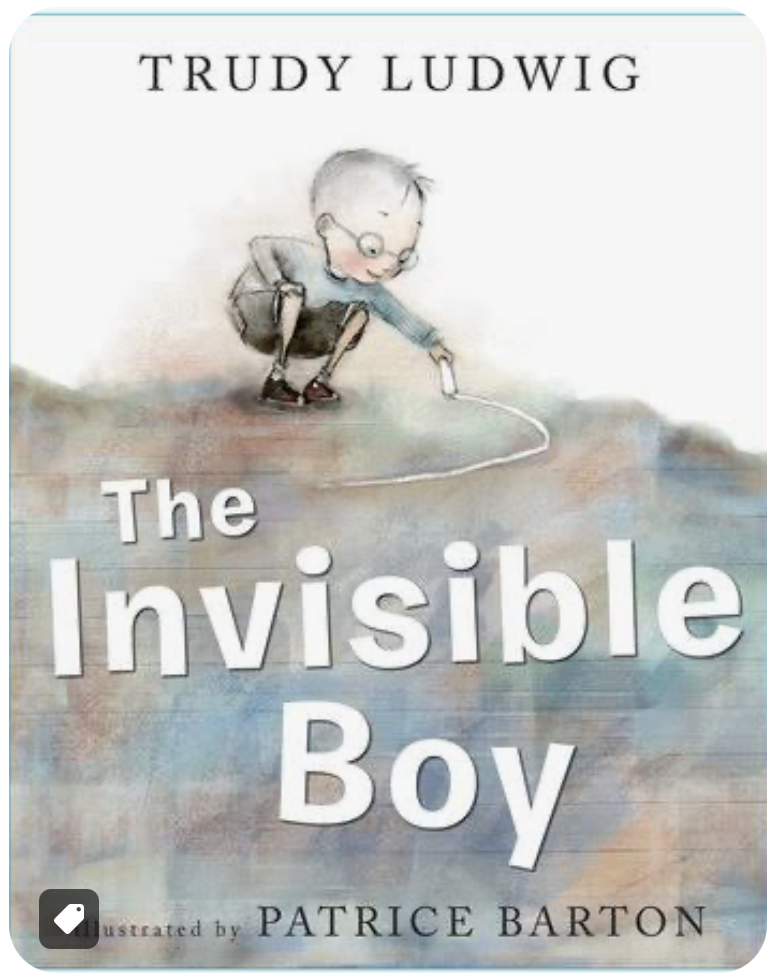
The Invisible Boy
How does Brian feel when nobody picks him for a group, and how does that change once Justin includes him? When no one picks Brian, he feels overlooked, sad, and invisible. He just wants to disappear. But when Justin invites him to join their project group, Brian finally feels noticed, valued, and eager to help. This moment shows how one thoughtful act of inclusion can change a child’s sense of belonging.
What does Brian do for Justin before he includes him? When Justin starts at a new school and some classmates tease him for eating Korean bulgogi at lunch, Brian is the first to reach out. He leaves a friendly note and drawing in Justin’s cubby to make him feel welcome. Inspired by Brian’s kindness, Justin later invites Brian to join his group and welcomes him at lunch.
What do the characters learn? Justin and his classmates learn that small, intentional acts of inclusion can help someone feel seen and valued, while Brian learns that reaching out with simple kindness can start a meaningful friendship.
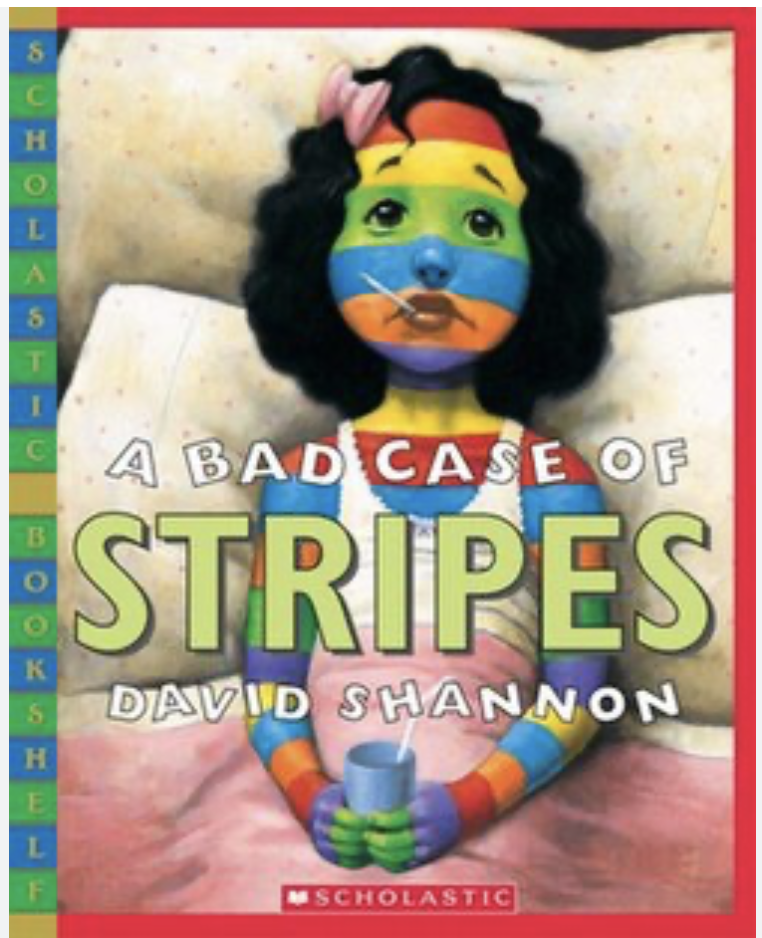
A Bad Case of Stripes
Why does Camilla stop eating lima beans, even though she loves them? She’s worried her classmates will make fun of her if they find out, so she hides part of who she is to fit in.
What finally cures Camilla’s stripes? She’s only cured once she stops worrying about what everyone else thinks and says out loud that she loves lima beans. Being honest about who you are turns out to be more powerful than trying to please everyone.
What does the character learn? Camilla discovers that trying to make everyone happy only covers up her true self. She realizes that accepting who she really is, including her unique likes, is important for her happiness.
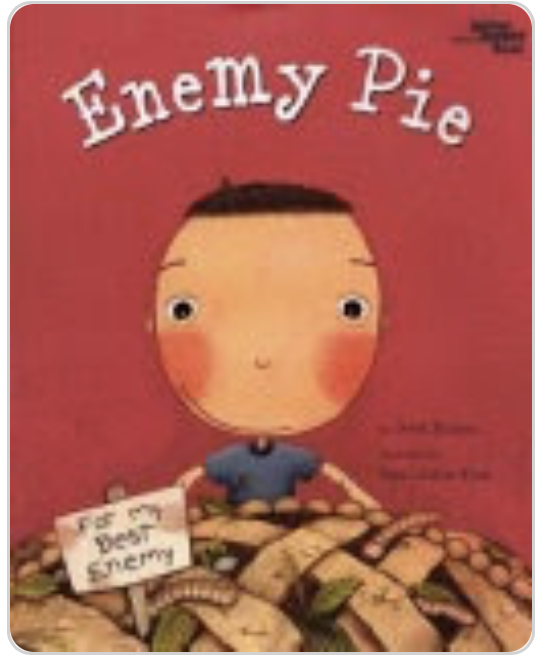
Enemy Pie
What does the boy think of Jeremy Ross before he spends the day with him, and how does that change afterward? At first, he only sees Jeremy as an enemy to get rid of. After a day of actually playing and talking with him, he realizes Jeremy is fun to be around and becomes his friend instead.
Why do you think the dad makes the boy spend a whole day with Jeremy instead of just handing him the pie? Spending the day together forces the boy to get to know Jeremy rather than judge him from a distance, and that’s what changes his mind.
What does the character learn? The young narrator discovers that first impressions are not always accurate. By taking the time to get to know someone, what once seemed like an ‘enemy’ can become a friend.
2. Sort the Themes
Give small groups four or five theme statements, some that fit the story and some that sound theme-like but don’t. Have them sort each one into “fits” or “doesn’t fit” and explain why using something from the text. This has students evaluate a theme rather than pull one out of nowhere, which is a much lower-pressure way to practice the skill.
3. Turn and Talk After a Quick Read
After a short passage, give partners sixty seconds to talk through what they think the theme is before anyone writes anything down. Hearing another student’s reasoning out loud helps kids who are still fuzzy on the difference between plot and theme, and it takes the pressure off writing the “right” answer cold.

4. Leveled Independent Practice
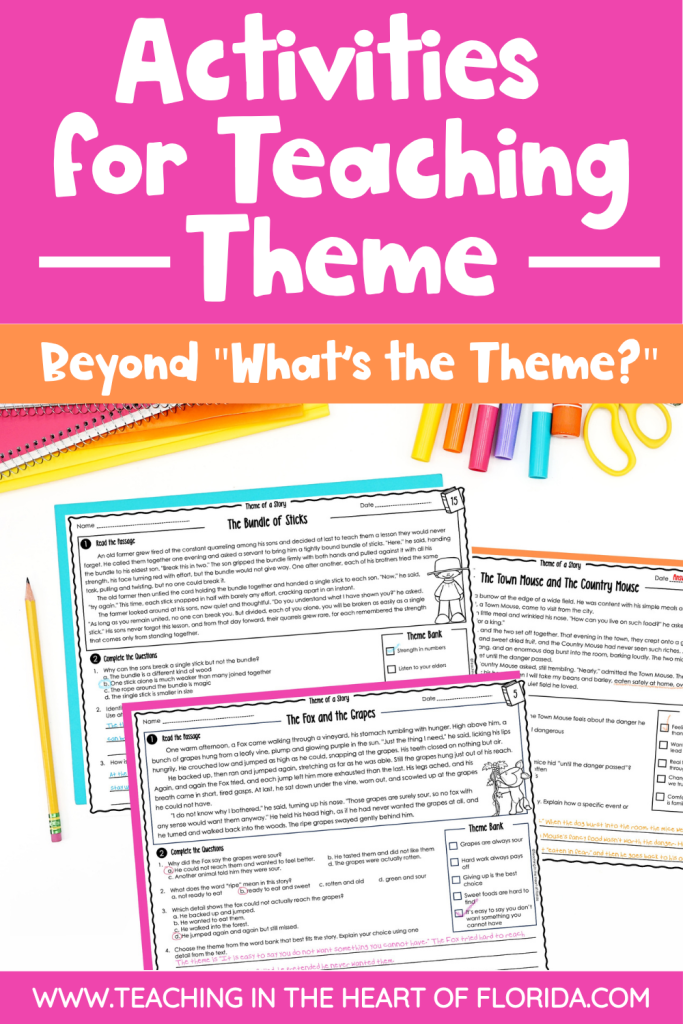
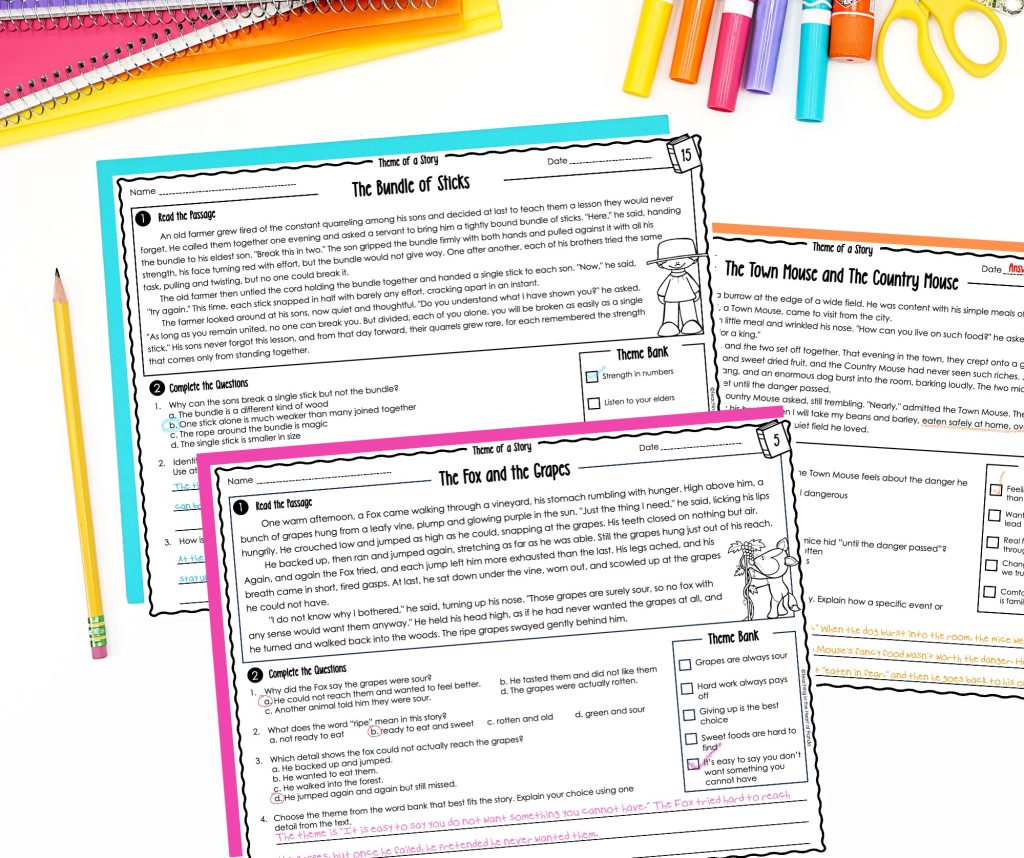
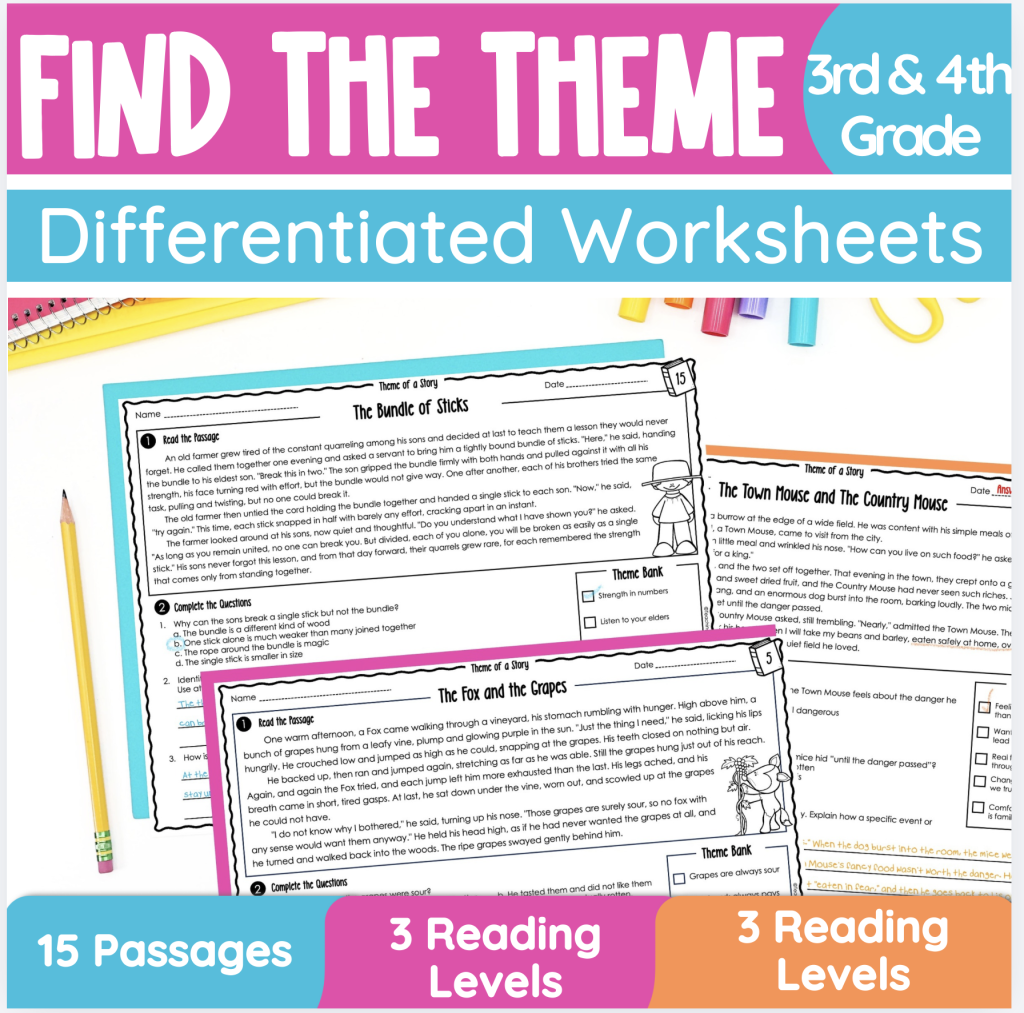
Once kids have some practice talking through theme with support, they need a way to build the skill on their own, and this is where a lot of worksheets fall short. I built a set of Theme Worksheets for 3rd and 4th grade specifically for this step: 15 original fable passages across three reading levels, each with its own Theme Bank that narrows down the theme options using text evidence instead of a blank line and a guess.
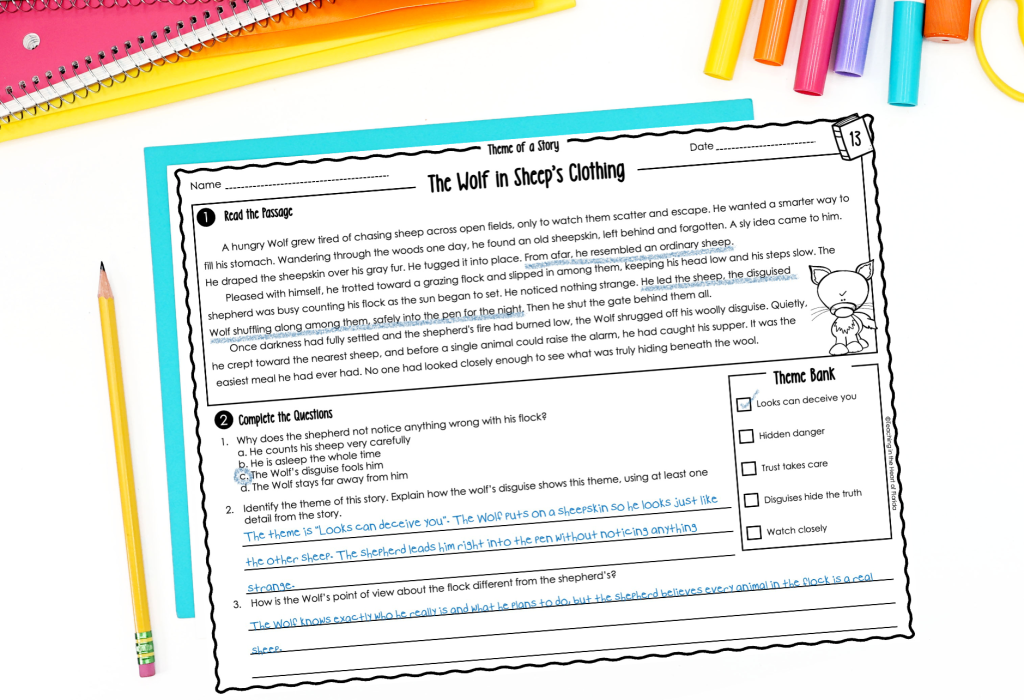
Every passage pairs with multiple-choice questions covering theme, vocabulary, and inference, plus a short-answer question in which kids explain their thinking using real text evidence. The Theme Bank gives less support at each higher tier, so kids build the same skill with gradually less hand-holding, and by the top tier they’re comparing different characters’ points of view without any bank at all.
It’s become my go-to for small group, centers, morning work, and even sub plans, since every passage is self-contained with its own answer key.
Together, these four activities for teaching theme move kids from talking about theme out loud to finding it completely on their own.
Frequently Asked Questions
What are common misconceptions students have about theme?
There are two common mix-ups. The first is that kids often mix up theme and main idea. The main idea is what the text is mostly about, usually summed up in one sentence based on the events. The theme is the lesson behind that idea, something the reader learns that is not directly stated. For example, in a fable where a turtle beats a rabbit, the main idea is that a slow turtle wins a race. The theme is that patience and effort are more important than natural talent.
The second mix-up is that kids think theme and moral are the same. A moral is a special type of theme, usually found in fables, and it is often stated clearly at the end, like “slow and steady wins the race.” Theme is a broader idea. It can be found in any story, is not always written out, and can have more than one correct answer depending on how the reader sees it. Every moral is a theme, but not every theme is a moral.
How do you help a struggling reader find the theme?
Start with a book that is a bit easier than the student’s independent reading level, even if it looks simple. Struggling readers often can’t focus on the theme while working hard to read each word, so make sure the text is easy before asking tough questions. Read the story aloud or let them listen and follow along. Next, talk about how the characters feel and the choices they make before you mention the word ‘theme’. Once a student can explain why a character made a decision, finding the lesson in the story becomes much easier. Sentence starters can help, too. For example, ‘This story teaches me that…’ gives students a way to begin instead of facing a blank page.
Time to Make Theme Click for Your Students
Grab the Theme Worksheet Activities and give your students 15 leveled fables with the exact scaffolding they need to go from guessing at theme to nailing it, no guesswork required.
Related Posts
Teaching Theme in Reading: 3 Tips for 3rd Grade Want more on why theme is such a sneaky skill to teach, plus a few tricks I use with my own third graders before I ever hand them a worksheet? This post has you covered.